Flat Racing Crypto Betting: UK Turf Season Guide
 Available in US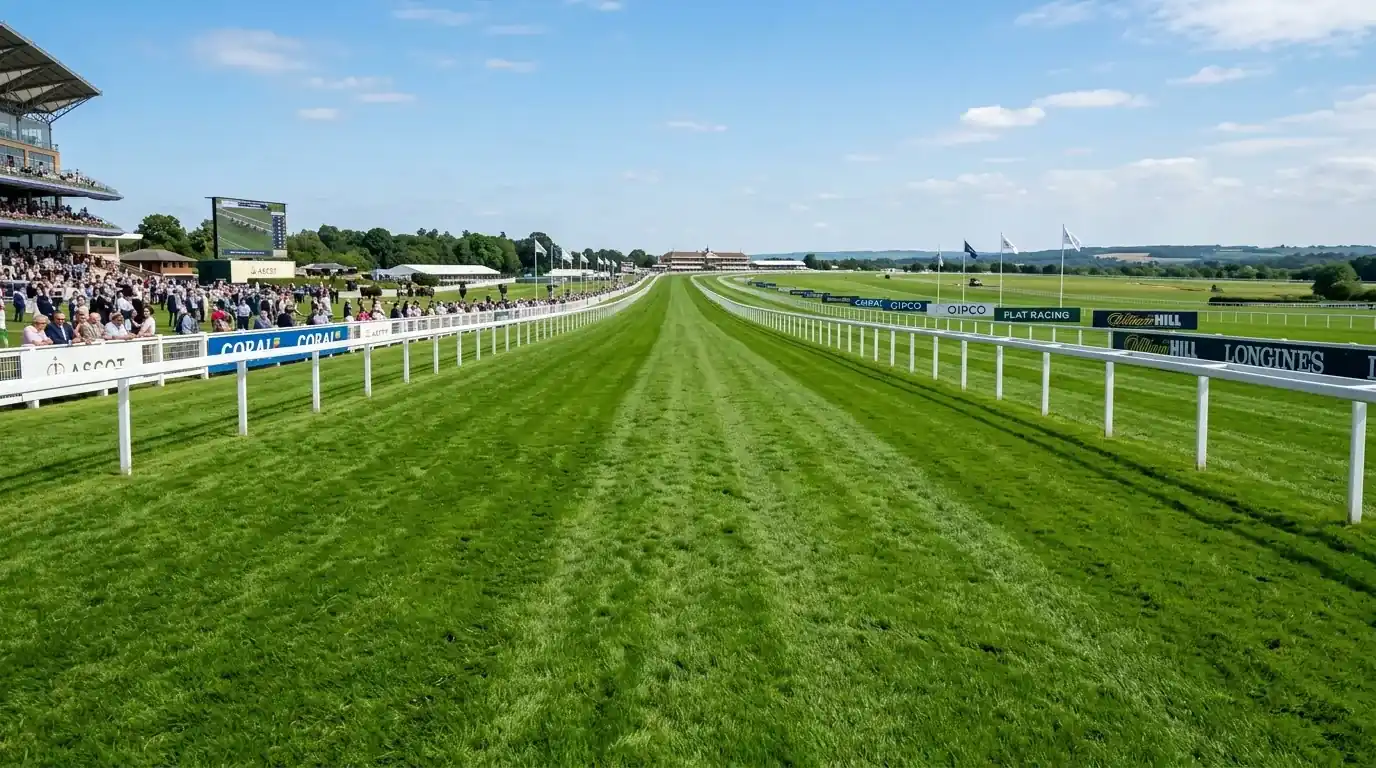
The crack of the stalls opening, the thunder of hooves on pristine turf, the blur of silks as the field sweeps around Tattenham Corner – flat racing offers a purity of speed and competition that jump racing cannot match. My betting approach shifts notably when the turf season arrives, and crypto platforms provide specific advantages for flat racing’s unique characteristics.
UK racing attendance surpassed 5.031 million in 2025, exceeding 5 million for the first time since 2019. The flat season drives significant portions of this attendance, with Royal Ascot, Glorious Goodwood, and the York Ebor meeting attracting crowds that rival Cheltenham’s jump racing festival. Understanding flat racing’s rhythms enables crypto bettors to maximise seasonal opportunities.
Understanding the Flat Season
The UK flat turf season runs from late March through early November, with the core period concentrated between April and October. All-weather racing continues year-round, but turf racing – horses running on grass tracks – defines the flat calendar’s prestige events and deepest betting markets.
Seasonal rhythm creates predictable betting patterns. Early season racing features horses returning from winter breaks, creating form uncertainties that markets struggle to price efficiently. Peak summer months offer the most consistent form lines as horses establish seasonal patterns. Autumn racing includes late-developing horses emerging and champions defending summer reputations.
The Classic generation – three-year-olds contesting historic races like the Derby, Oaks, and St Leger – provides compelling seasonal narratives. Tracking these horses from early-season trials through summer championships rewards sustained analytical attention. Crypto platforms’ rapid settlement enables responsive position management as Classic pictures clarify.
Two-year-old racing introduces unknown quantities throughout the season. Juveniles making racecourse debuts offer both challenge and opportunity – limited form demands reliance on breeding, training patterns, and market signals. Informed crypto bettors can exploit mispricings when markets underweight or overweight specific form indicators.
Weather affects flat racing differently than jump racing. Firm ground suits certain horses; softer conditions favour others. The absence of jumping obstacles means going preferences dominate performance factors more purely. Monitoring forecasts and adjusting positions as conditions evolve creates crypto-enabled flexibility that slower-settling alternatives cannot match.
Key UK Flat Racing Courses
Course characteristics matter enormously in flat racing, where subtle track variations affect performance more than jump racing’s more uniform challenge. Understanding major venues helps interpret form and identify value.
Newmarket’s two courses – the Rowley Mile and July Course – host more Group races than anywhere else in Britain. The straight-mile tests pure speed without turns; the round courses examine balance and handling. Newmarket form typically proves reliable elsewhere, though extreme track specialists exist.
Epsom’s unique undulations and camber create specific demands. The Derby course rises, falls, and turns left-handed around a downhill run to the finish. Some horses handle it brilliantly; others struggle regardless of ability. Epsom form requires careful interpretation for other venues.
York’s Knavesmire provides arguably Britain’s fairest test – a flat, galloping track where superior horses typically prevail. The Ebor meeting in August attracts international competition, with the Yorkshire Oaks and Juddmonte International ranking among Europe’s premier races.
Ascot hosts Royal Ascot in June and British Champions Day in October, bookending the season’s Group 1 calendar. The straight course suits different horses than the round track; both configurations appear during major meetings. Crypto platforms offer deep markets for these premium fixtures.
Goodwood’s quirky configuration – right-handed, undulating, with a tricky camber – produces results that sometimes confuse form students. The Sussex Stakes meeting in late July attracts quality milers, while the lower-grade handicaps often produce unexpected outcomes. Value hunting thrives at Goodwood.
Flat Racing Betting Considerations
Flat racing betting differs from jump racing in ways that affect strategy, bankroll management, and platform requirements. Adapting your crypto betting approach to flat racing’s characteristics optimises seasonal performance.
Race frequency exceeds jump racing substantially. Summer weekdays regularly feature 50+ races across multiple meetings, compared to jump racing’s more concentrated calendar. This volume creates selection challenges – more opportunities mean more potential for overtrading without discipline.
Field sizes vary more dramatically in flat racing. Some sprints feature 20+ runners; small-field Group 1s might have five or six. Each-way value calculations shift enormously between these extremes. Crypto platforms offering flexible each-way terms enable optimising for specific race conditions.
Draw advantages affect sprint racing particularly. On certain courses, horses drawn high or low gain meaningful advantages that form alone cannot overcome. Understanding draw biases at each track adds an analytical dimension that jump racing lacks. Backing superior horses drawn disadvantageously creates value opportunities.
The total UK horse population in training reached 21,728 in 2025, down 2.3% from the previous year. This decline affects field quality at lower levels, potentially making superior horses more reliable in modest company. Betting patterns should account for competitive depth variations across race categories.
Speed figures and sectional timing provide more analytical depth in flat racing than jump racing. The consistent surface and obstacle-free courses enable performance measurement that jumping’s variables complicate. Crypto bettors who develop or access speed ratings gain analytical advantages over those relying solely on finishing positions.
Platform Features for Flat Racing
Crypto sportsbooks vary in their flat racing coverage and functionality. Identifying platforms that serve flat racing bettors specifically ensures optimal infrastructure for seasonal campaigns.
Market depth matters for competitive handicaps. Big-field flat handicaps attract substantial betting volume, but some platforms struggle to accommodate meaningful stakes without price deterioration. Testing stake acceptance before major events prevents disappointment when you find value but cannot execute at desired size.
Early pricing availability affects ante-post strategies. Flat racing’s major events – the Classics, Royal Ascot, York’s major races – generate ante-post markets months ahead. Platforms offering early markets with reasonable liquidity enable position-building that late-arriving alternatives cannot match.
Streaming coverage for flat racing varies between platforms. The flat season’s evening meetings – popular summer fixtures – sometimes receive inconsistent streaming treatment compared to afternoon racing. Verifying streaming availability for your intended racing periods ensures information access throughout sessions.
Cash-out functionality proves particularly valuable during flat racing’s shorter races. Sprints lasting barely a minute from stalls to line leave minimal time for in-play adjustment. Pre-race cash-out as markets move provides more practical position management than attempting in-running trades during compressed timeframes.
Mobile performance matters for flat racing’s busy periods. Multiple meetings running simultaneously on summer Saturdays requires efficient interface navigation. Platforms with smooth mobile experiences enable covering more opportunities than those requiring patience with sluggish applications.
When does the UK flat season run?
The turf flat season runs from late March through early November, with the core period from April to October. All-weather racing continues year-round. Major events include the Guineas meeting (May), Epsom Derby (June), Royal Ascot (June), Glorious Goodwood (July-August), York Ebor (August), and British Champions Day (October).
Which crypto platforms cover all UK flat courses?
Most established crypto sportsbooks cover all UK flat racing, though market depth and streaming availability vary by meeting profile. Major fixtures receive comprehensive coverage universally; smaller weekday meetings may show variation between platforms. Test coverage for typical racing days you follow before committing to specific platforms.
Published by the Horse Racing Betting Crypto team.