
Jump Racing Crypto Betting: National Hunt Strategies
 Available in US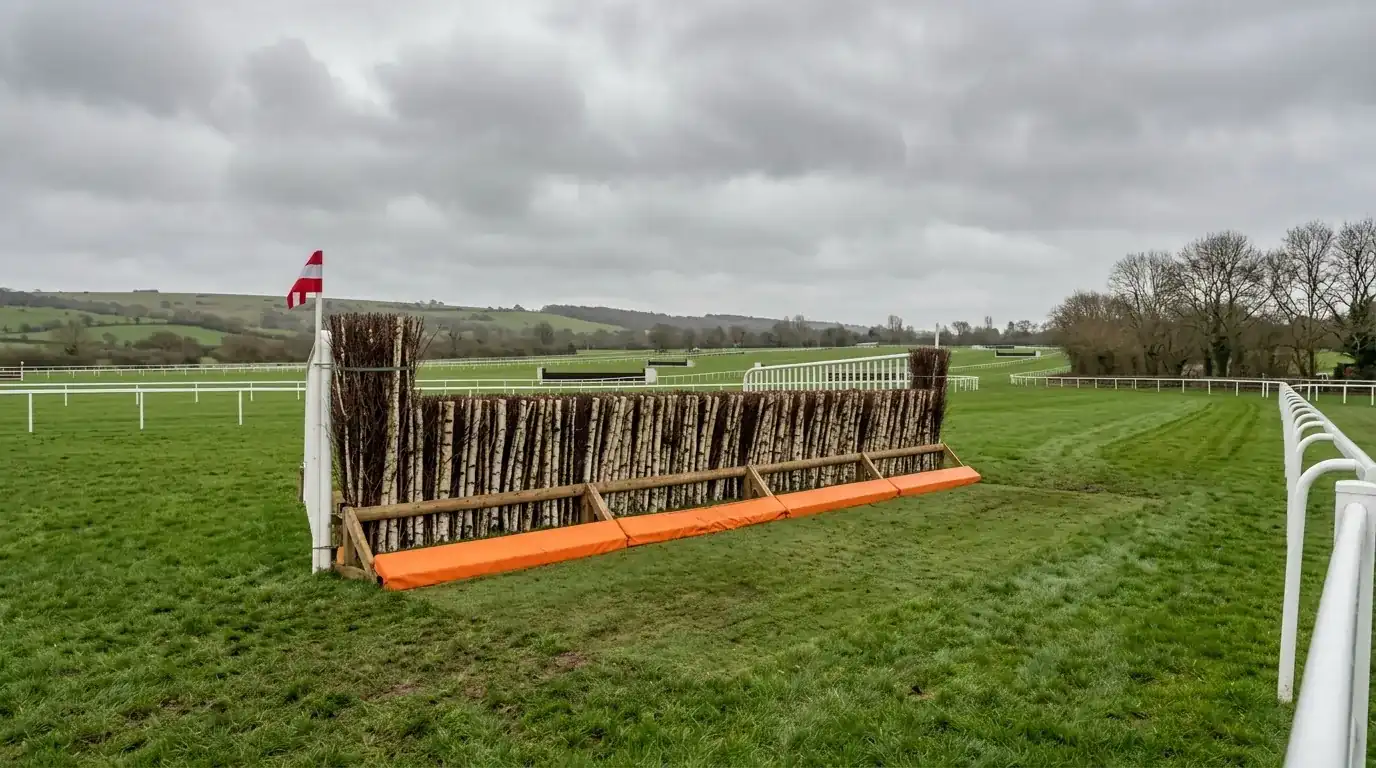
There’s nothing quite like watching a horse and jockey navigate Becher’s Brook in the Grand National – that moment of commitment, the crowd’s collective breath, the sheer audacity of the challenge. Jump racing demands more from its participants than flat racing ever asks, and that intensity translates into betting markets with distinct characteristics. My crypto betting approach adapts significantly for National Hunt season.
UK racing attendance reached 5.031 million in 2025, with jump racing’s premier fixtures contributing substantially to this total. Cheltenham Festival alone attracts over 280,000 racegoers across four days. The sport’s passionate following creates liquid betting markets and informed competition that crypto bettors must navigate skillfully.
Understanding Jump Racing Season
The National Hunt season runs approximately from October through April, peaking with the Cheltenham Festival in March. While jump racing occurs year-round, the prestige events and deepest markets concentrate during winter months when turf flat racing hibernates.
Seasonal rhythm differs from flat racing fundamentally. Many jumpers campaign repeatedly through winter seasons, building form records across years rather than single seasons. This continuity enables deeper form analysis than flat racing’s annual reset typically allows.
Ground conditions matter enormously and shift throughout winter. Heavy going after sustained rain transforms race dynamics completely from good ground conditions. Horses with strong preferences see their chances fluctuate with weather forecasts. Crypto’s rapid settlement enables responsive position adjustment as conditions evolve.
The Championship races at Cheltenham provide seasonal climaxes – Champion Hurdle, Queen Mother Champion Chase, Stayers’ Hurdle, and Gold Cup determine divisional champions through direct confrontation rather than ratings comparison. Ante-post markets for these events generate substantial betting activity throughout the season.
Novice divisions produce future champions while offering current betting opportunities. First-season hurdlers and chasers establish themselves with varying reliability, creating mispricings as markets assess horses with limited jump racing form. Identifying future stars before markets fully appreciate them generates long-term value.
Hurdles vs Steeplechases
The distinction between hurdling and steeplechasing represents more than obstacle height – these disciplines demand different skills and produce different betting dynamics.
Hurdles – smaller obstacles, typically 3 feet 6 inches – emphasise speed relative to pure jumping ability. The best hurdlers combine Flat racing quality with adequate jumping technique. Form from Flat racing sometimes translates; pure jumpers may lack necessary speed against converted Flat horses.
Steeplechases – larger fences plus ditches and water obstacles – demand genuine jumping ability and courage. The attrition rate from falls and mistakes exceeds hurdling significantly. This uncertainty affects betting mathematics – backing horses to complete the course before considering their winning chances.
Career progression typically moves horses from hurdles to chasing as they mature. Some excel at both; others find their level in one discipline. Tracking horses through this transition reveals adaptability that affects betting assessments.
Distance variations within each discipline create further specialisation. Two-mile hurdlers possess different profiles than three-mile stayers. Minimum-trip chasers differ from marathon specialists. Matching horses to appropriate conditions underpins successful betting analysis.
Market behaviour differs between disciplines. Hurdling generally produces more predictable outcomes; steeplechasing’s fall element introduces variance that affects favourite strike rates. Each-way betting often proves more appropriate for chasing than hurdling, where clearer ability separations emerge.
Key Jump Racing Festivals
The jump racing calendar builds toward festival meetings that concentrate quality and betting interest. Understanding these peaks helps allocate analytical attention and betting resources appropriately.
Cheltenham Festival in March represents jump racing’s pinnacle. Four days, 28 races, the sport’s championship showpiece. Prize money, prestige, and betting volume all peak here. Crypto bettors benefit from preparing thoroughly – the compressed timeframe rewards prior analysis over reactive betting.
Premier fixtures saw average attendance rise 5.3% in 2025, adding approximately 697 racegoers per meeting compared to previous benchmarks. This attendance growth reflects the appetite for premium jump racing that festivals satisfy.
Aintree’s Grand National meeting follows Cheltenham in April. The Grand National itself attracts the year’s largest single-race betting volume. The supporting programme includes high-quality races overshadowed somewhat by the main event’s dominance.
Christmas racing provides midseason entertainment with competitive racing across multiple venues. Kempton’s King George VI Chase on Boxing Day ranks among the season’s premier races. The festive period’s condensed calendar creates analytical challenges and opportunities.
Sandown’s season finale in late April crowns champions with jumps racing’s concluding flourish. The bet365 Gold Cup attracts strong fields, while season-long championship competitions reach conclusions. End-of-season form considerations affect assessment – some horses flourish on spring ground; others tire from long campaigns.
Jump Racing Betting Strategies
Effective jump racing betting strategies account for the sport’s specific characteristics. Adapting approaches developed for flat racing or other sports proves insufficient – National Hunt demands tailored thinking that acknowledges its unique dynamics.
Fall probability must factor into expected value calculations. A horse might represent clear best-on-form but carry elevated fall risk that undermines betting viability. Assessing jumping reliability alongside racing ability produces more accurate probabilities than form-only analysis. Some bettors track fall rates systematically; others develop intuitive assessments from watching races carefully.
Trainer patterns prove particularly revealing in jump racing. Certain trainers target specific races year after year, developing race-by-race expertise that generalist analysis misses. Following trainer intentions through entries and market moves provides valuable directional signals. The leading yards dominate major races repeatedly, but smaller trainers targeting specific opportunities create value when markets underestimate their focused preparation.
Jockey bookings matter more in jump racing than flat racing. Top jockeys’ choosing between multiple rides signals informed opinions about relative chances. Late jockey changes often precede market moves that reflect adjusted expectations. Tracking who rides what – and who doesn’t – provides insight that pure form study misses.
Ground preferences deserve more weight than flat racing analysis typically provides. Jump racing’s winter scheduling creates dramatic ground variations – frozen ground, waterlogging, unexpected dry spells – that reshape competitive pictures entirely. Tracking individual horses’ ground performance produces actionable insights that generic form proves insufficient to capture.
Each-way betting suits jump racing’s uncertainty profile better than most betting contexts. The fall element means favourites disappoint more frequently than flat racing equivalents. Backing horses at prices reflecting place chances rather than win-only probabilities captures value that win betting systematically misses.
Ante-post markets reward early positioning but carry non-runner risk that flat racing’s lower attrition makes less concerning. Injury rates, ground dependencies, and trainer decisions all affect whether ante-post selections actually race. Pricing non-runner risk into ante-post value calculations improves decision quality and prevents overcommitment to positions that may never reach the racecourse.
Is jump racing better for value betting?
Jump racing’s inherent uncertainty – falls, ground variations, longer seasons enabling deeper form analysis – creates more frequent mispricings than flat racing’s more predictable outcomes. The fall element particularly affects favourite reliability, creating each-way value that flat racing less frequently provides. However, the uncertainty also makes consistent profitability challenging.
Which crypto platforms have the best jump racing coverage?
Most established crypto sportsbooks cover UK and Irish jump racing comprehensively. Differentiation occurs in streaming availability, ante-post market depth, and in-play functionality during races. Test platforms during ordinary winter racing days before festivals to assess coverage quality for your typical betting activity.
Created by the ”Horse Racing Betting Crypto” editorial team.