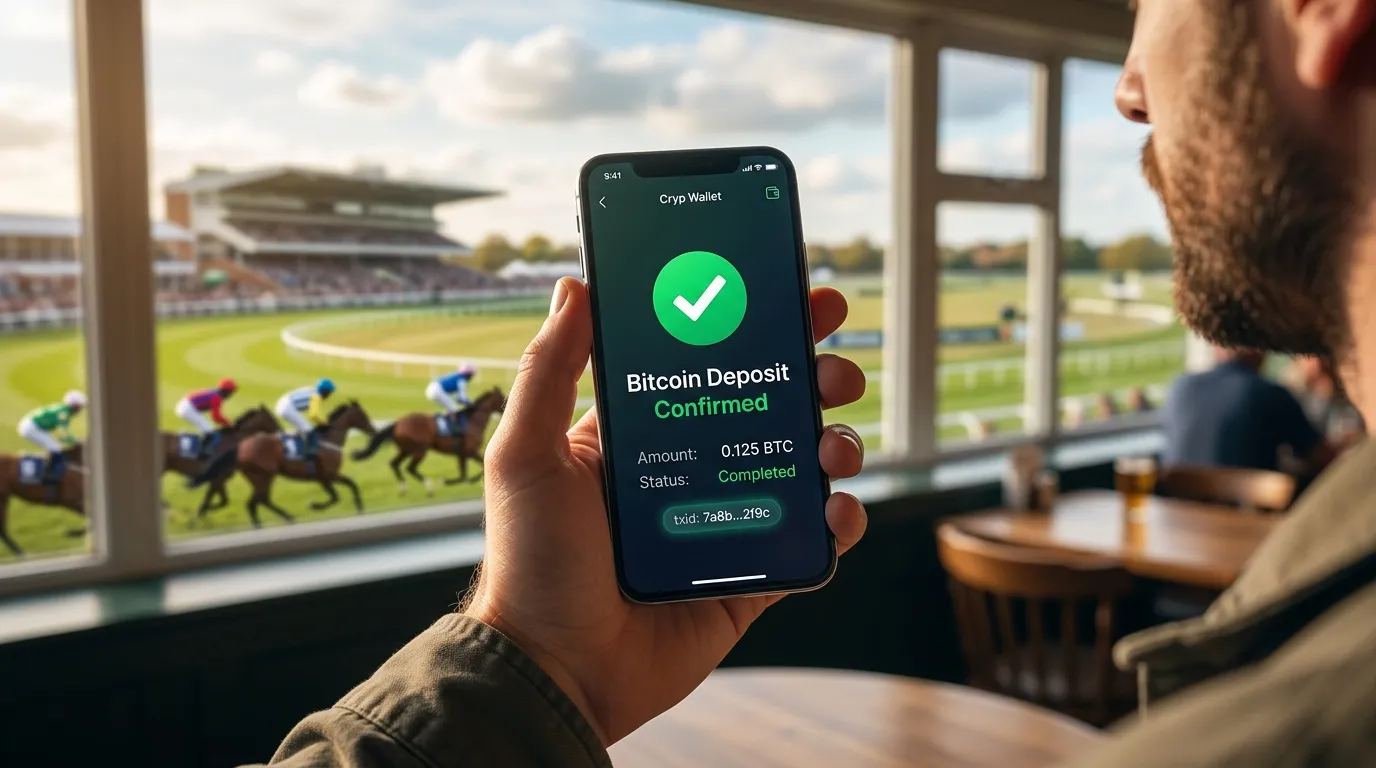
VR Crypto Horse Racing Betting: The Emerging Frontier
 Available in US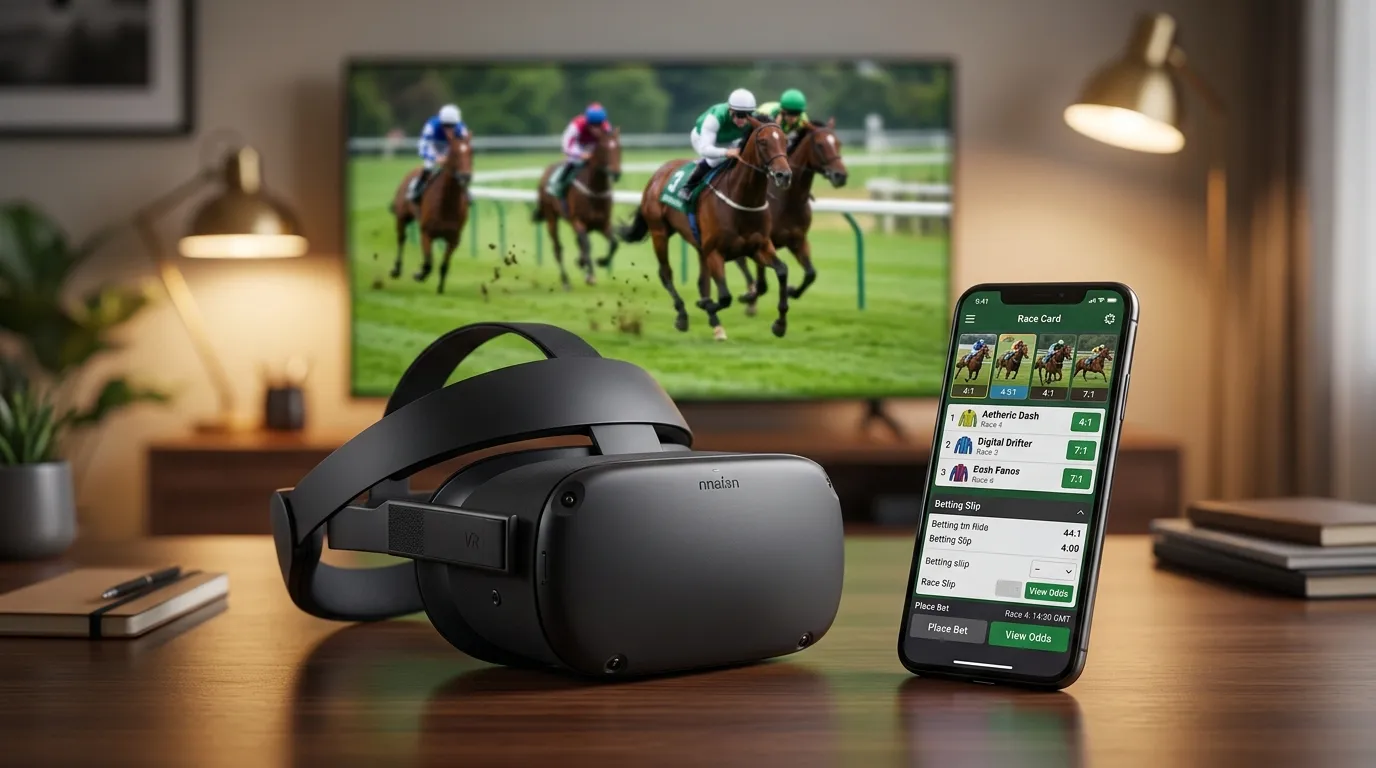
The first time I put on a VR headset in a crypto casino environment, the experience felt simultaneously futuristic and oddly familiar – like visiting a betting shop that existed only in digital space. The technology remains nascent, but projections suggest VR will capture meaningful crypto betting market share within years. Understanding where this technology might lead helps position early adopters advantageously.
Industry projections suggest VR casinos will capture 20% of crypto betting activity by 2026. While this figure may prove optimistic, the directional trend appears clear: immersive technology will reshape how some users experience crypto gambling, including horse racing betting. The question isn’t whether VR betting emerges, but how quickly and in what forms.
Current State of VR Betting
VR betting exists today but remains firmly in early-adopter territory. The technology works; the user base remains small; the experience continues evolving rapidly. Understanding current limitations helps calibrate expectations against promotional enthusiasm.
Hardware requirements present the first barrier. Quality VR experiences demand headsets costing several hundred pounds, plus computing power to drive them. This investment filters the potential audience to those already committed to VR for gaming or other purposes.
Platform availability remains limited. Few crypto sportsbooks have developed dedicated VR applications, and those that exist offer constrained functionality compared to conventional interfaces. The development investment required discourages all but the most ambitious platforms.
User experience quality varies dramatically. The best VR betting environments create genuinely immersive atmospheres that enhance engagement. The worst prove disorienting, uncomfortable, or simply less functional than flat-screen alternatives. Evaluating specific implementations matters more than judging the category.
Social features distinguish VR betting from solitary screen-based experiences. Virtual environments allow interaction with other bettors – sharing reactions, discussing form, experiencing races collectively. These social dimensions potentially recreate aspects of trackside atmosphere that remote betting typically sacrifices.
Motion sickness affects some users, particularly during extended sessions. The visual-vestibular disconnect that VR creates proves uncomfortable for a minority who cannot use the technology regardless of content quality. This biological limitation caps potential adoption below universal levels.
VR Applications for Horse Racing
Horse racing presents specific opportunities and challenges for VR implementation. The visual spectacle of racing translates naturally to immersive formats, but practical betting integration requires careful design.
Virtual grandstand experiences could replicate trackside viewing digitally. Watching races from simulated positions – the winning post, the stands, alongside the course – provides perspectives impossible at actual tracks. This viewing enhancement might justify VR adoption even before betting-specific features mature.
Paddock inspection in VR could provide visual access to horses before races without physical attendance. If camera systems captured pre-race preparations with sufficient quality and perspective, remote bettors might access assessment information currently limited to on-course attendees.
Virtual betting rings might recreate the on-course bookmaker experience digitally. Walking between virtual pitches, comparing odds displays, experiencing the atmosphere of betting market activity – these interactions could distinguish VR betting from static screen-based alternatives.
Historical race archives in VR could enable experiencing classic races immersively. Educational and entertainment value aside, studying historical races from multiple perspectives might inform betting analysis in ways flat footage cannot match.
The fundamental challenge involves balancing immersion against functionality. Placing bets needs to be quick and reliable; navigating VR menus often proves slower than clicking screen buttons. The most successful implementations will preserve immersive benefits while streamlining transactional elements.
Platforms Developing VR Features
VR development in crypto gambling concentrates among platforms with resources and appetite for experimental investment. Most crypto sportsbooks treat VR as a future consideration rather than current priority, but leaders are emerging.
Casino products receive more VR development attention than sportsbook offerings. Virtual poker rooms, immersive slot experiences, and social casino environments have progressed further than sports betting applications. This sequencing reflects casino products’ stronger natural fit with persistent virtual environments.
Racing-specific VR remains particularly underdeveloped. The complexity of integrating live race feeds, real-time odds, and immersive viewing with practical betting functionality exceeds what most platforms have attempted. Early racing VR offerings typically emphasise virtual (simulated) racing over real-world event coverage.
Mobile betting dominance – projected to reach 80% of crypto gambling activity by 2026 – potentially conflicts with VR adoption. Users comfortable betting from phones may resist hardware-intensive alternatives regardless of experience quality. VR must offer compelling advantages to overcome this convenience competition.
Standalone VR headsets reduce hardware barriers compared to PC-tethered systems. Meta’s Quest line and similar devices enable VR experiences without gaming computers, lowering adoption thresholds. Crypto betting applications targeting these accessible platforms may find larger audiences than those requiring elaborate setups.
Future Projections
The 20% market share projection for VR crypto betting by 2026 requires substantial acceleration from current adoption levels. Evaluating this forecast helps set realistic expectations for the technology’s near-term trajectory and investment considerations.
Supporting factors include: declining hardware costs, improving headset comfort, expanding software ecosystems, and generational comfort with immersive technology among younger demographics. These trends favour VR adoption broadly, with gambling applications benefiting alongside gaming and social uses.
Constraining factors include: hardware requirements still exceeding casual user thresholds, motion sickness limiting some potential users, and mobile betting’s entrenched convenience advantage. These barriers may slow adoption below optimistic projections despite technological improvements.
Technological convergence could accelerate timelines. If VR headsets become common for work, entertainment, or social purposes, gambling applications would access established user bases rather than requiring dedicated adoption. Mainstream VR success would pull gambling applications along naturally.
Regulatory responses remain unpredictable. Immersive gambling experiences might attract regulatory attention that conventional online betting avoided. Concerns about enhanced addiction potential or underage access in virtual environments could prompt restrictions affecting development trajectories significantly.
Content quality will ultimately determine adoption rates. If VR betting experiences genuinely enhance engagement beyond what conventional interfaces offer, users will adopt despite barriers. If the technology proves merely novel without substantive improvement, adoption will disappoint projections regardless of marketing enthusiasm.
For current crypto bettors, VR represents a watching brief rather than immediate action requirement. The technology merits attention as it develops but doesn’t yet demand adoption. Those interested in early exploration can experiment with available offerings while maintaining conventional betting approaches as primary activity.
The intersection of cryptocurrency’s digital-native characteristics with VR’s immersive capabilities creates natural alignment. Crypto betting already operates purely digitally; extending this into three-dimensional virtual environments represents evolution rather than revolution. When VR betting matures sufficiently, crypto bettors may find the transition more natural than their fiat-focused counterparts who must bridge both digital and immersive gaps simultaneously.
When will VR horse racing betting be available?
Basic VR betting exists now through some platforms, though horse racing-specific applications remain limited. Quality immersive racing experiences with full betting integration likely remain 2-3 years away for mainstream availability. Current offerings focus more on virtual (simulated) racing than real-world event coverage.
What equipment do I need for VR betting?
A VR headset is essential – standalone devices like Meta Quest work without additional hardware, while PC-tethered headsets require compatible gaming computers. Costs range from £300-800 for capable standalone systems. Some platforms offer partial VR experiences through smartphone-based viewers, though quality and functionality prove limited.
Prepared by the Horse Racing Betting Crypto editorial staff.