Mobile Crypto Horse Racing Betting: Apps and Browser Options
 Available in US
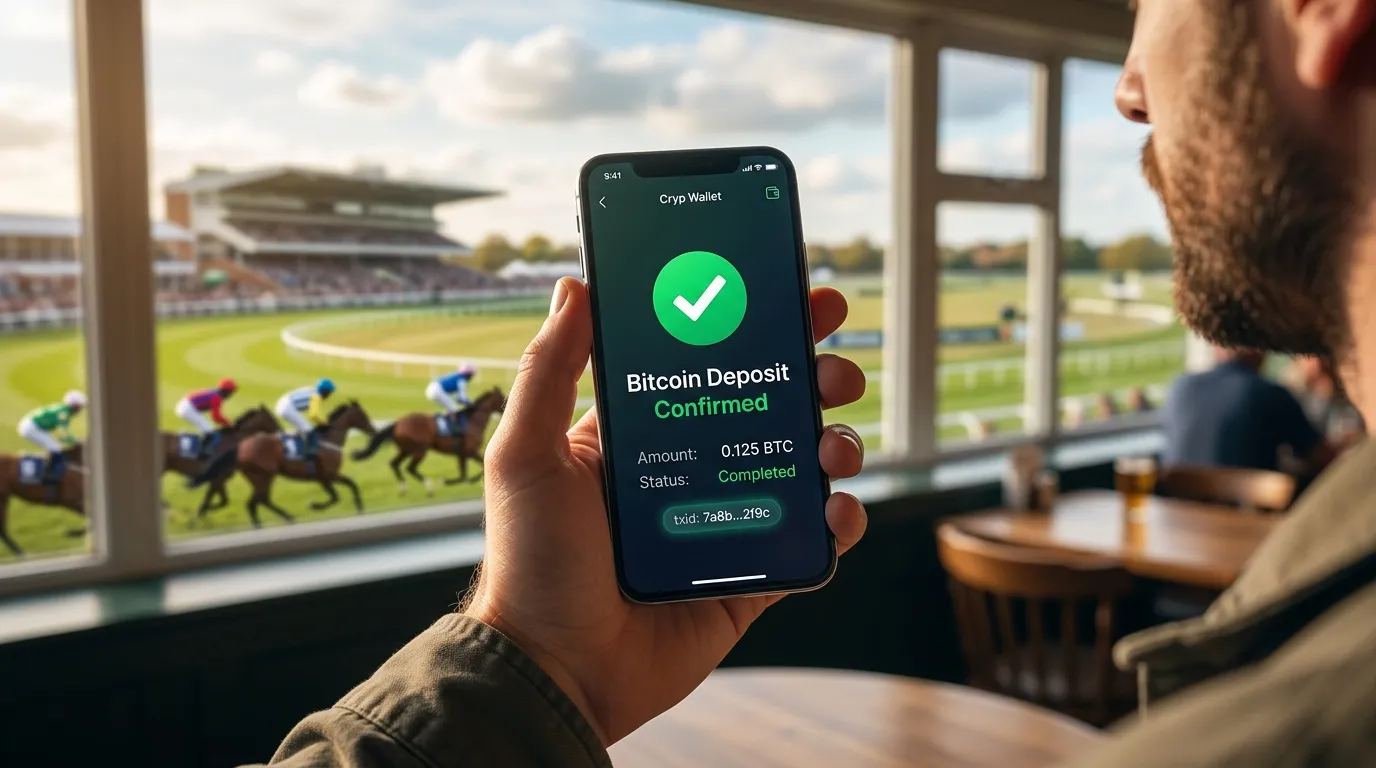
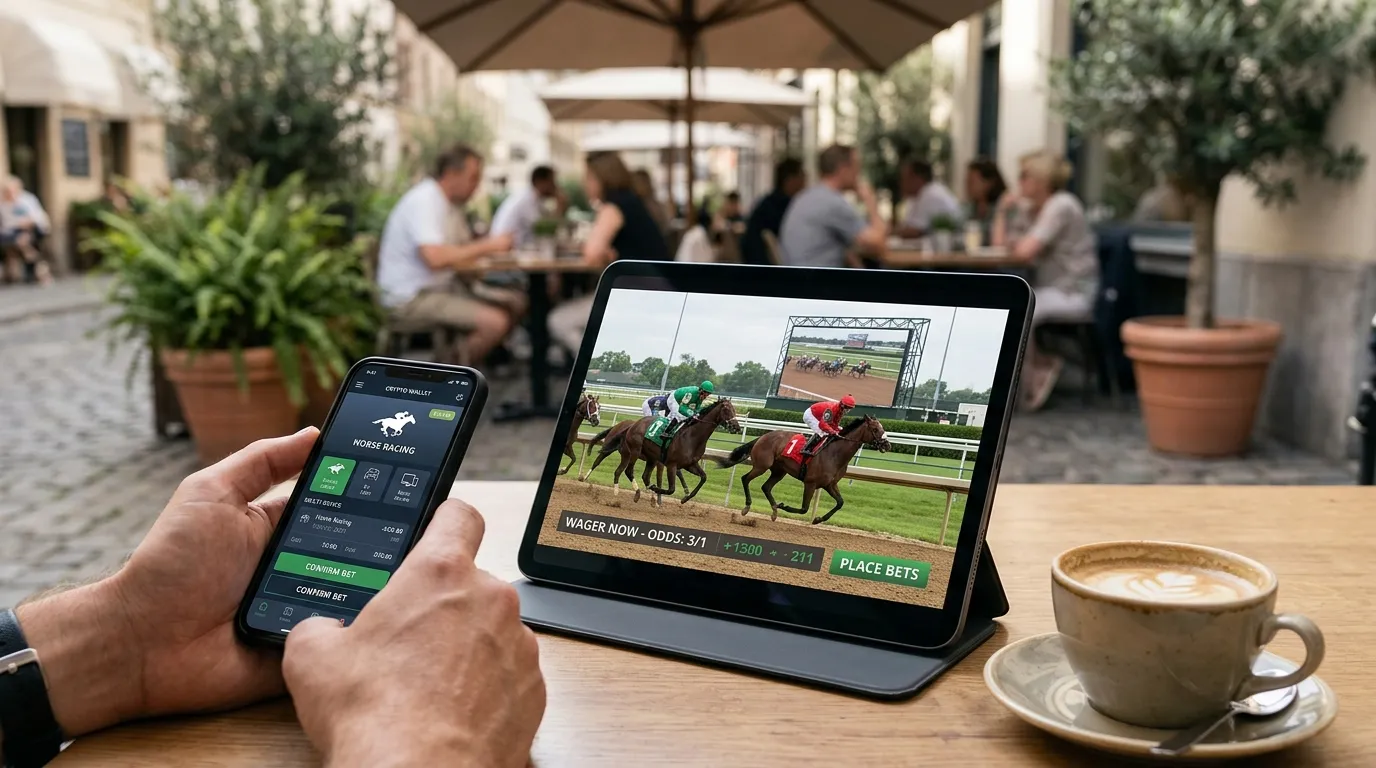
Standing in the paddock at Newmarket, watching a horse you fancy move beautifully in the pre-parade ring, and being able to place that bet instantly – that’s mobile betting’s promise delivered. My phone has become my primary betting interface, and the evolution of mobile crypto platforms over nine years has transformed from clunky afterthought to genuinely superior experience.
Mobile betting will account for 80% of all crypto gambling activity by 2026, a dominance that reflects both convenience and capability improvements. Platforms that once offered stripped-down mobile versions now provide feature parity or even mobile-first advantages. Understanding how to evaluate and optimise mobile crypto betting extracts maximum value from this dominant format.
Native Apps vs Browser Betting
The choice between dedicated apps and mobile browser access affects performance, features, and security in ways that casual users often overlook. Each approach carries distinct advantages depending on your betting patterns and device preferences.
Native apps install directly on your device, accessing hardware capabilities that browsers cannot reach. Faster loading, smoother animations, better notification handling, and improved offline functionality all favour app-based betting. The dedicated installation also enables biometric login – fingerprint or face recognition – that streamlines access while maintaining security.
Browser betting requires no installation and works across any device with a compatible browser. Updates happen server-side without requiring app store downloads. Storage-constrained devices benefit from avoiding app installation overhead. The universal compatibility means you can bet from borrowed devices or when your primary phone isn’t available.
App store availability creates complications for crypto sportsbooks. Apple and Google restrict gambling apps, particularly those operating without local licensing. Many crypto platforms cannot distribute through official stores, requiring alternative installation methods that vary in convenience and trustworthiness.
Progressive web apps (PWAs) bridge the gap – browser-based platforms that install like apps and access some native capabilities. These hybrid solutions offer app-like experiences without app store restrictions, though performance typically falls between pure browser and native alternatives.
Security considerations differ between approaches. Official app store distribution provides some vetting against malware. Side-loaded apps bypass this protection, requiring trust in the source. Browser betting avoids installation risks but exposes you to web-based attack vectors. Neither proves categorically safer – informed usage matters more than format choice.
Mobile Experience by Platform
Platform quality on mobile varies dramatically, and desktop excellence doesn’t guarantee mobile competence. Evaluating mobile-specific performance before committing to a platform prevents disappointment when you actually need to bet from your phone.
Interface design for mobile requires fundamentally different thinking than desktop. Thumb-friendly button placement, appropriate text sizing, and sensible information hierarchy distinguish well-designed mobile platforms from desktop interfaces awkwardly shrunk to fit smaller screens. Test actual betting workflows – finding races, checking odds, placing bets, managing positions – rather than just browsing casually.
Loading speed directly affects mobile utility. Platforms that take 10 seconds to load waste precious time when markets move quickly. Test loading under realistic conditions – on cellular networks, not just WiFi – to understand real-world performance. The best mobile platforms load core functionality within 2-3 seconds on reasonable connections.
Racing coverage on mobile sometimes differs from desktop offerings. Some platforms restrict market availability on mobile, particularly for less popular race types or exotic bets. Verify that your intended betting activity – specific race types, bet types, and features – works fully on mobile before assuming parity.
Cash-out functionality matters enormously for mobile racing betting. The ability to close positions while watching races on your phone requires seamless cash-out implementation. Test this feature specifically – its availability, speed, and reliability under pressure determine mobile platform quality for active traders.
The 54% of crypto betting interest concentrated in the 18-34 demographic reflects a generation raised on mobile-first experiences. Platforms recognising this demographic reality invest accordingly in mobile development; those treating mobile as secondary lose users to competitors who prioritise smartphone experiences.
Mobile Wallet Integration
Managing cryptocurrency transactions from mobile devices introduces considerations beyond desktop betting. Wallet integration quality affects how smoothly funds move between your control and platform accounts.
Mobile crypto wallets vary in sportsbook compatibility. Some platforms integrate specific wallets natively – connecting with a tap rather than copying addresses manually. Others require traditional address-based transfers regardless of wallet choice. Native integration dramatically improves user experience when available.
QR code deposits eliminate address copying entirely. The platform displays a code, your wallet scans it, and the address pre-fills automatically. This workflow reduces errors from miscopied addresses and speeds the deposit process significantly. Platforms offering QR deposits deserve consideration for mobile-heavy users.
Transaction signing on mobile raises security questions. Approving cryptocurrency transfers on the same device used for betting creates single-point-of-failure risk. Hardware wallet integration addresses this concern, though mobile compatibility with hardware devices varies. Evaluate your security requirements against convenience preferences.
Network selection for multi-chain cryptocurrencies requires attention on mobile. USDT transactions on Ethereum versus Tron, or ERC-20 versus BEP-20 tokens, require selecting correct networks. Mobile interfaces sometimes obscure these choices, increasing misrouting risk. Understand your platform’s network requirements and verify your wallet’s default settings.
Push notifications for transaction confirmations help track deposit status without constantly checking the platform. Wallets providing confirmation alerts, combined with platforms notifying when deposits credit, create complete visibility into fund movement. Enable these notifications for smoother mobile deposit management.
Mobile Security Considerations
Mobile betting concentrates significant value – betting funds, cryptocurrency access, personal information – on devices we carry everywhere and occasionally lose. Security practices appropriate for mobile contexts protect against threats that desktop betting rarely encounters.
Device security forms the foundation. Screen locks, biometric authentication, and device encryption protect against physical access threats. Automatic locking after brief inactivity prevents opportunistic access if you set your phone down briefly. These baseline measures matter more when the device holds betting account access.
App-specific authentication adds layers beyond device access. Separate PINs or biometric requirements for betting apps ensure that device access alone doesn’t enable betting. Platforms offering this additional security layer demonstrate security consciousness worth rewarding with your business.
Public WiFi use creates network interception risks. Betting apps transmitting data over unsecured networks potentially expose credentials and transaction details. VPN usage on public networks, or restricting betting to cellular data, mitigates these concerns. Avoid placing bets or making transactions on networks you don’t control.
Lost device protocols require preparation before incidents occur. Knowing how to remotely disable access, revoke sessions, and protect funds limits damage from device loss or theft. Familiarise yourself with platform security settings and remote management options before you need them urgently.
Two-factor authentication protects against credential compromise. Even if someone obtains your password, 2FA prevents account access without the secondary factor. Enable 2FA on every platform that offers it – the minor inconvenience dramatically reduces account takeover risk.
Which crypto sportsbook has the best mobile app?
No single app dominates all criteria – speed, features, interface quality, and stability vary independently. Test apps with small deposits before committing significant funds. Prioritise platforms excelling in the features you use most: streaming quality if you watch races, cash-out responsiveness if you trade positions, or interface clarity if you bet frequently throughout the day.
Can I deposit directly from a mobile wallet?
Yes, most crypto sportsbooks accept deposits from mobile wallets. Some offer native wallet integration with one-tap connectivity; others require standard address-based transfers. QR code deposits simplify the process by eliminating manual address copying. Verify network compatibility between your wallet and platform before transferring to avoid funds going to incorrect addresses.
Created by the ”Horse Racing Betting Crypto” editorial team.